Paperfish Sushi Unveils New Menu by Chef Michael Asalie

A refined evolution of the Miami Nikkei izakaya, built around precision, premium ingredients, and a sharper culinary identity


MIAMI, FL — May 29. 2026 — Paperfish Sushi announces the launch of its new menu by Chef Michael Asalie, marking a new chapter for the Miami-based Nikkei izakaya concept known for its elevated approach to sushi, Japanese technique, and Peruvian influence.

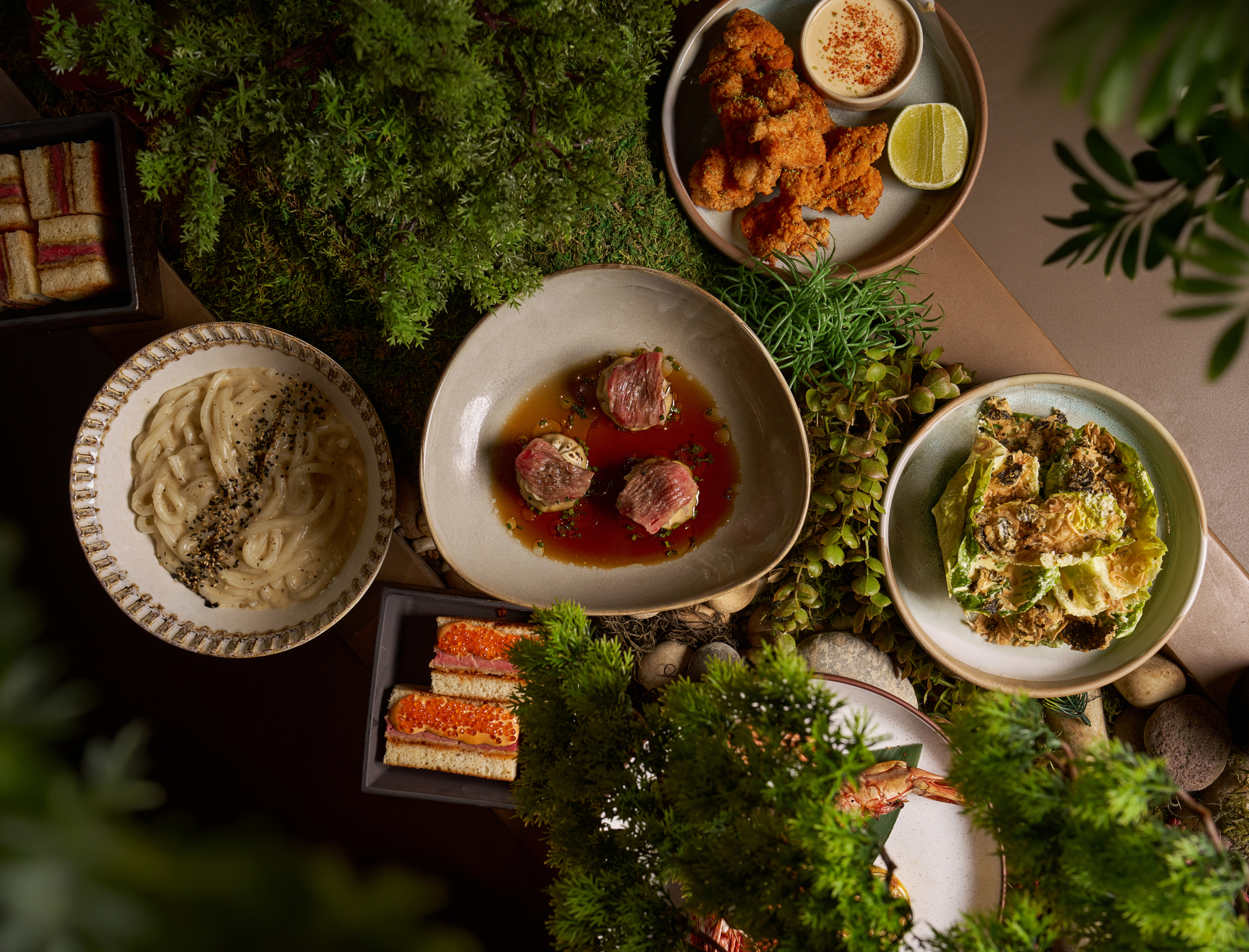
The new menu represents a deliberate evolution of the Paperfish experience: more focused, more refined, and more expressive. Under Chef Asalie’s direction, the menu introduces new dishes that highlight premium seafood, bold Nikkei flavors, and the kind of detail-driven execution that has defined Paperfish since its opening.

“This menu is not about changing who we are,” said Chef Michael Asalie. “It is about sharpening the identity of Paperfish. We wanted every dish to feel intentional — clean, balanced, layered, and memorable.”
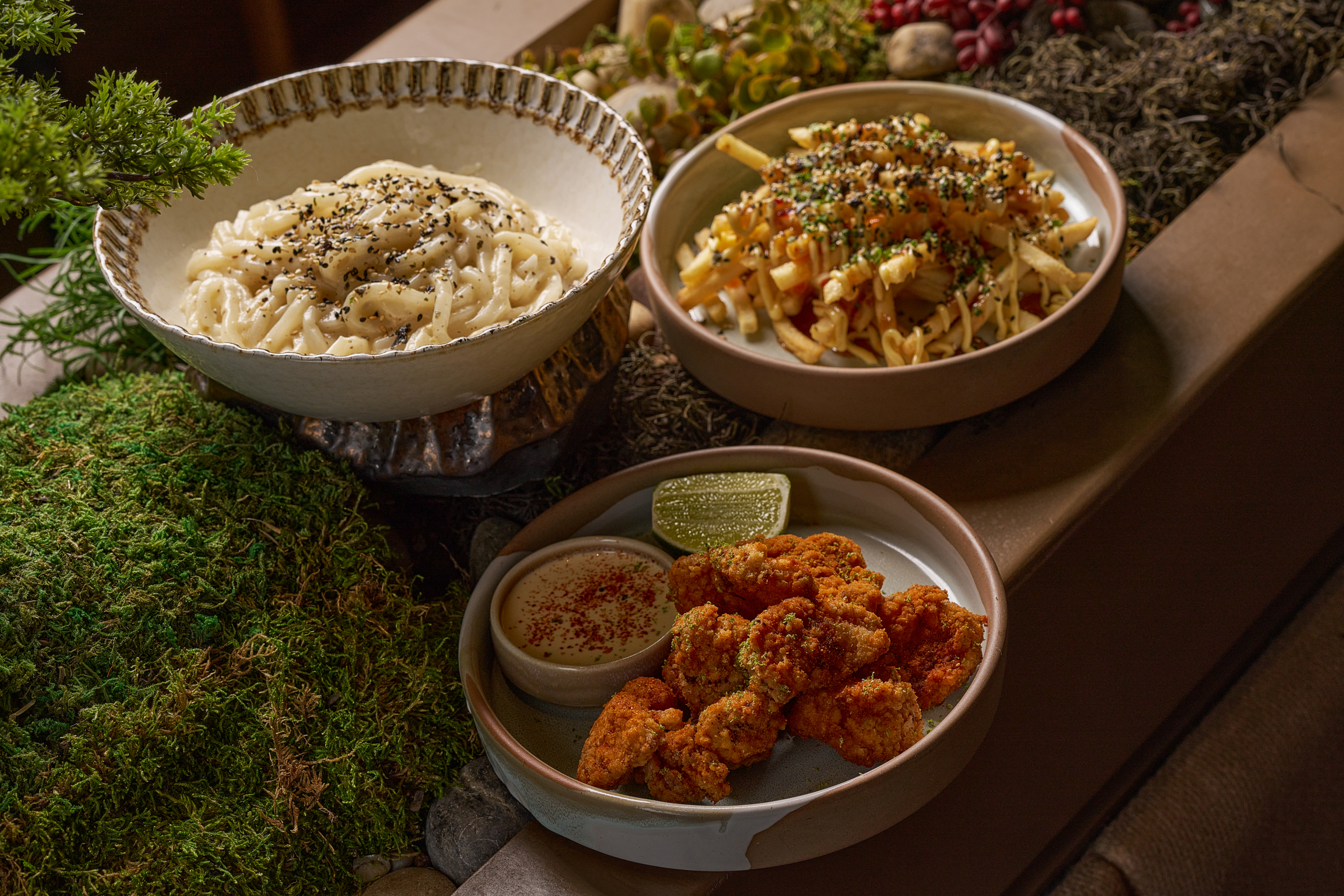
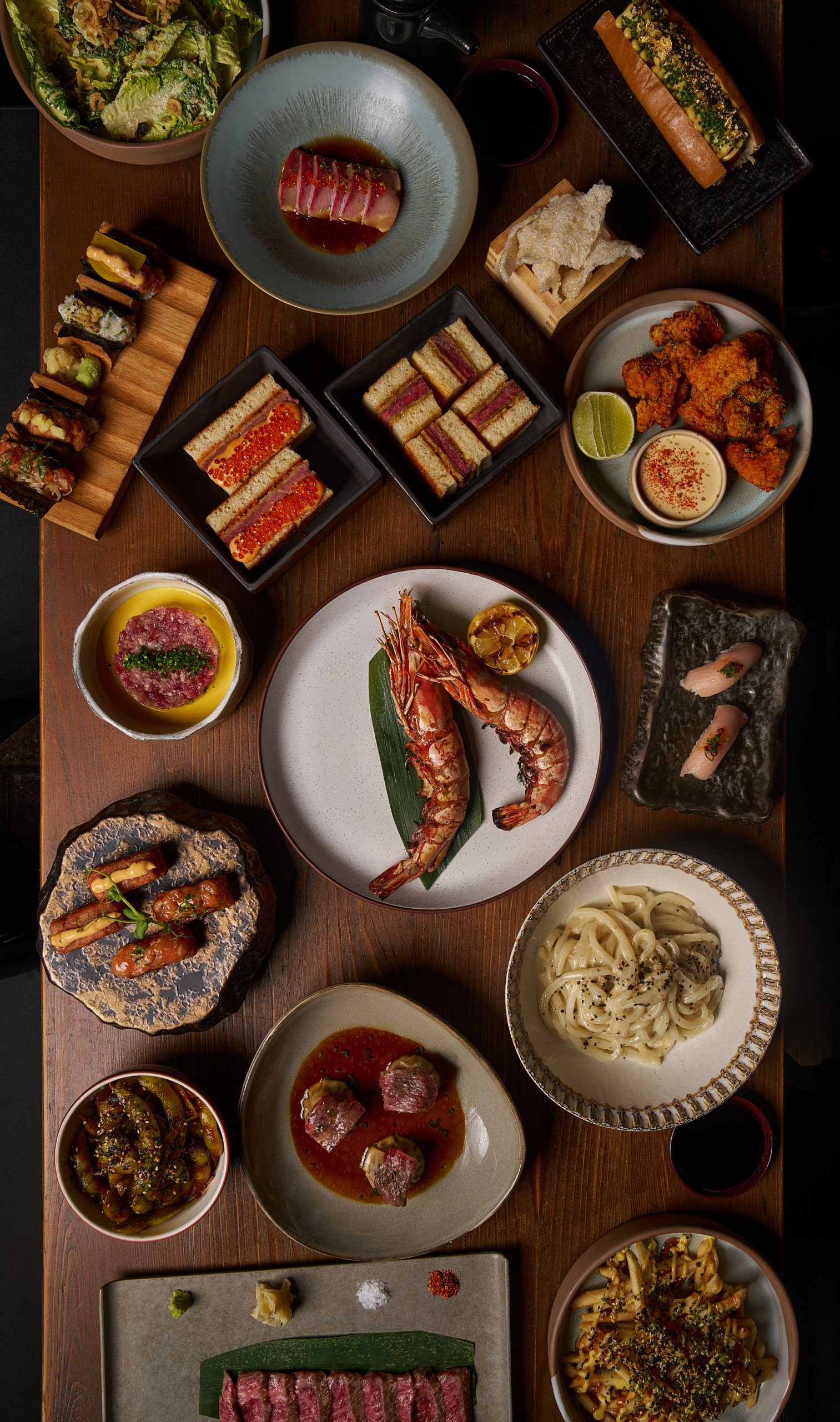
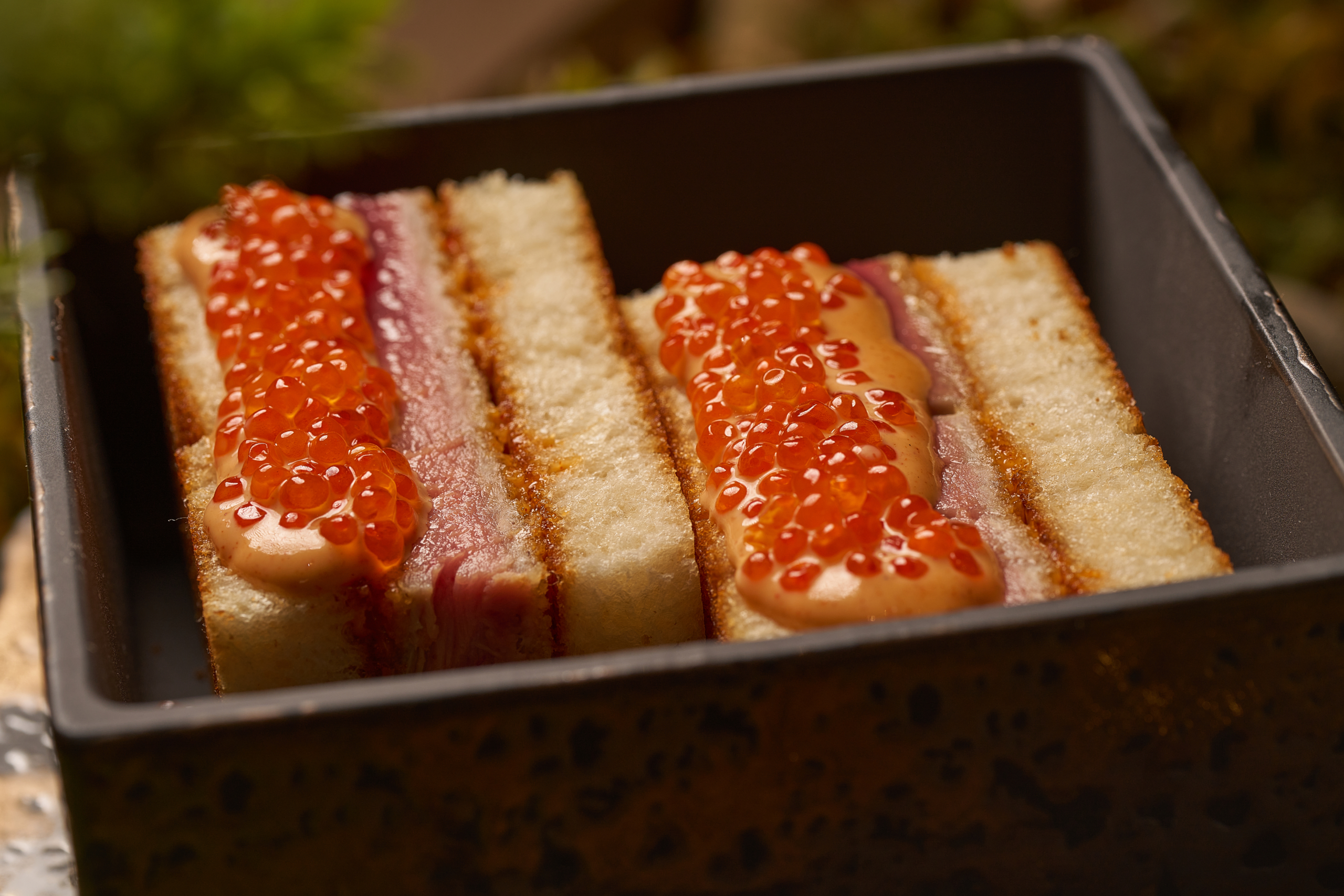
The relaunch places a stronger emphasis on craftsmanship, ingredient quality, and visual presentation. Guests can expect a curated selection of new rolls, crudos, izakaya-style plates, and signature preparations designed for both familiar comfort and discovery. Bluefin tuna, truffle, acevichado sauces, Japanese-inspired textures, and Peruvian accents all play a role in the new direction

Rather than relying on excess, the new menu leans into restraint and precision. Each dish is built with a clear point of view: bright acidity, clean cuts, crisp textures, subtle heat, and premium finishing touches that elevate the experience without overwhelming it.

“The goal was to create a menu that feels modern, elegant, and unmistakably Paperfish,” said Jose Vazquez, partner at Paperfish Sushi. “Miami has no shortage of sushi restaurants, but Paperfish has always lived in a different space — refined, energetic, and deeply connected to the Nikkei tradition. This new menu makes that position stronger.”

The new culinary direction also reflects Paperfish’s continued growth as a brand, with locations in Brickell and South Beach’s Española Way. While each location has its own energy, the menu relaunch reinforces the core Paperfish identity: Japanese discipline, Peruvian soul, and a Miami point of view.

The new menu is now available at Paperfish Sushi.

About Paperfish Sushi
Paperfish Sushi is a Miami-based Nikkei izakaya concept and part of  Vida & Estilo Hospitality Group, blending Japanese technique with Peruvian influence. Known for its premium sushi, elevated cocktails, vibrant dining rooms, and modern hospitality, Paperfish offers a refined yet energetic dining experience in Brickell and South Beach. As part of one of South Florida’s leading hospitality groups, Paperfish continues to push culinary boundaries while delivering memorable guest experiences rooted in creativity, quality, and hospitality.

Media Contact:
Jose Vazquez – Partner
Email: jvazquez@vehospitality.com
instagram.com/paperfishsushi
www.paperfishsushi.com


About Vida & Estilo Hospitality Group

VE Hospitality is a Miami-based hospitality group focused on developing and operating high-performing restaurant and nightlife concepts. The portfolio includes a range of venues designed around strong brand identity, operational excellence, and guest-driven experiences. VE Hospitality continues to expand across South Florida with concepts that prioritize atmosphere, quality, and scalable growth.
 

The History of Española Way, Miami Beach: Why It’s Still the Heart of South Beach

If there is one street in Miami Beach that tells a story, and keeps writing it every night,  it’s Española Way. Tucked just one block south of 15th Street, between Collins and Washington avenues, this pedestrian enclave in the heart of South Beach is far more than a dining destination: it’s a portal to another era, another continent, and another way of experiencing the city.


At Vida & Estilo Hospitality Group, we’ve been part of this one-of-a-kind setting for years, curating the street’s soul since 1997 with our signature spots: Oh! Mexico,  Havana 1957, Mercato della Pescheria, and Paperfish Sushi

Recently, in partnership with the Española Way Association, V&E unveiled a new Don Quijote sculpture on Española Way – a reimagining of a figure who has always stood for idealism, courage, and the belief that some things are worth fighting for, even when the path is uncertain. Not just a landmark. A statement.


So with the energy surrounding the unveiling of this new icon, there’s no better moment to tell, or retell, the story of one of Miami’s most special places.


Española Way: The Early Days of a Bold Vision


It all began in the early 1920s, when architect Robert Taylor and developers N.B.T. Roney and William Whitman conceived something unusual for a city that was barely finding its footing: a bohemian Mediterranean enclave in the heart of South Beach.


The inspiration came from Las Ramblas in Barcelona, the French Riviera in Cannes, the coastal promenades of Italy. With that spirit, Española Way was born as a “Historic Spanish Village,” complete with Moorish-Spanish architecture: arched doorways, wrought-iron balconies, stucco walls, and terracotta rooftops.


Within just a few years, the street became the social hub of Miami Beach’s well-heeled set. Restaurants, bars, and clubs buzzed deep into the night. It was glamour in its purest form.


Glitz & Shadows: The Capone Era and the Golden Years

Like every great story, Española Way’s history has a darker side, and that’s exactly what makes it so compelling.


The wealth and geographic isolation of Miami Beach made it particularly attractive to organized crime in the 1920s and ’30s. Al Capone himself spent his winters in South Beach, frequenting the Clay Hotel – still standing on Española Way today – and other establishments along the strip for gambling and socializing.


Behind the façade of sophistication lay a city negotiating with power in all its forms. That tension between splendor and shadow gives Española Way a historical depth that few American streets can match.


Decline & Resurrection

By the mid-20th century, Española Way had begun to slide into neglect. Like much of Miami Beach at the time, the street lost its shine and its energy. Buildings deteriorated. The glamour gave way to disrepair.


But great stories have second acts.


In the 1980s, thanks to the ambition and hard work of landlords and preservationists like Linda Polansky and Barbara Capitman, a key figure in saving Miami Beach’s Art Deco heritage, Española Way began a remarkable recovery. Buildings were restored. Life returned.


With that revival came cultural recognition: the show Miami Vice used Española Way as a filming location across multiple episodes, including the very first and the very last. The street became a visual symbol of a city reinventing itself.


Española Way Today: A Pedestrian Street, Alive and Evolving

In May 2017, the City of Miami Beach converted Española Way into a fully pedestrian thoroughfare. That transformation was a turning point.

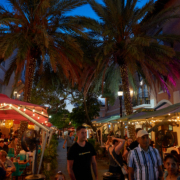
Today, Española Way offers one of South Beach’s most singular experiences: a car-free street, warmly lit at night, lined with peach and terracotta façades, outdoor dining terraces, art galleries, boutique shops, yoga studios, and bars that hum until late. The atmosphere is unmistakably European but warmed by the unmistakable heat of the Caribbean and Miami.

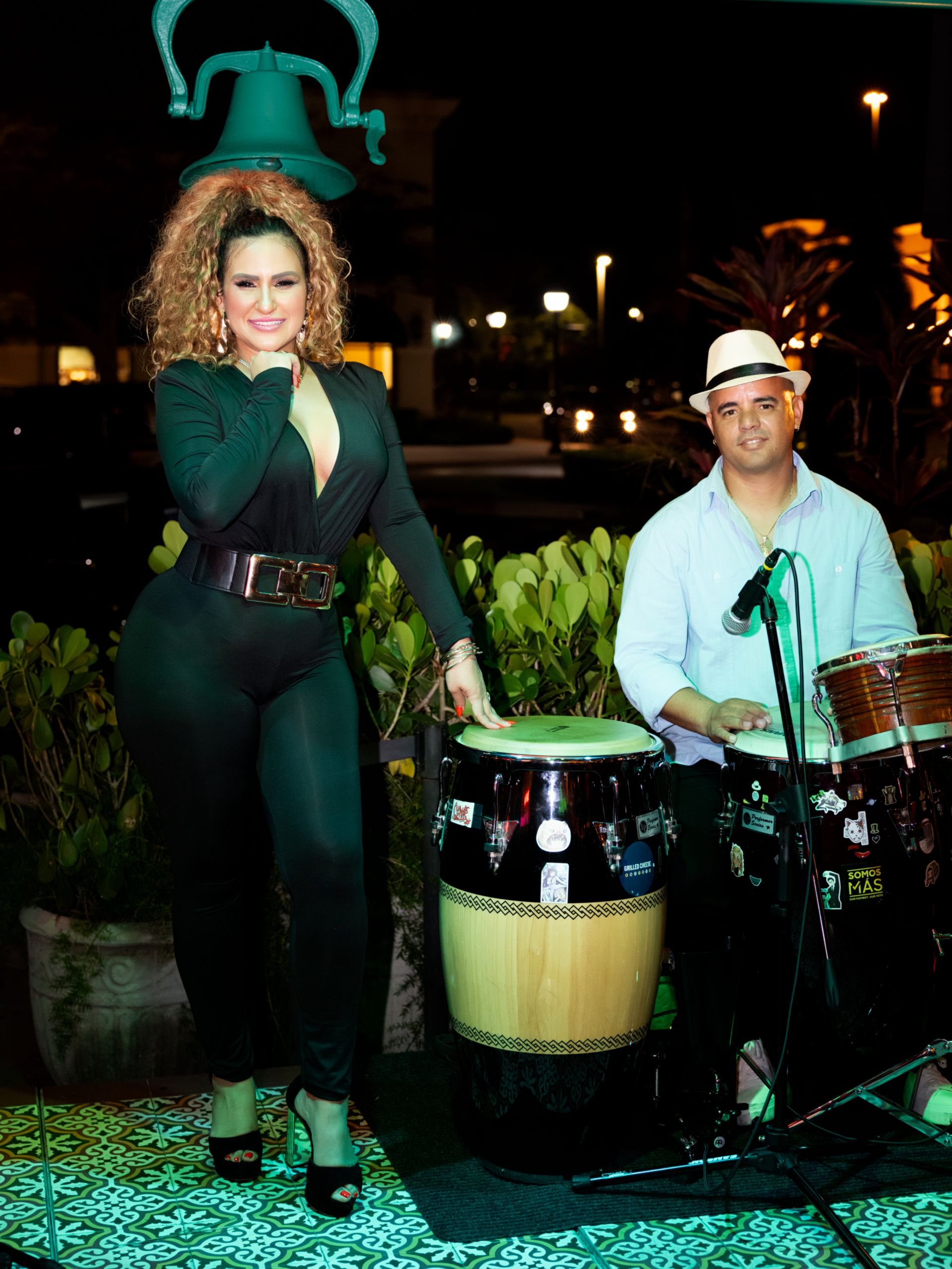
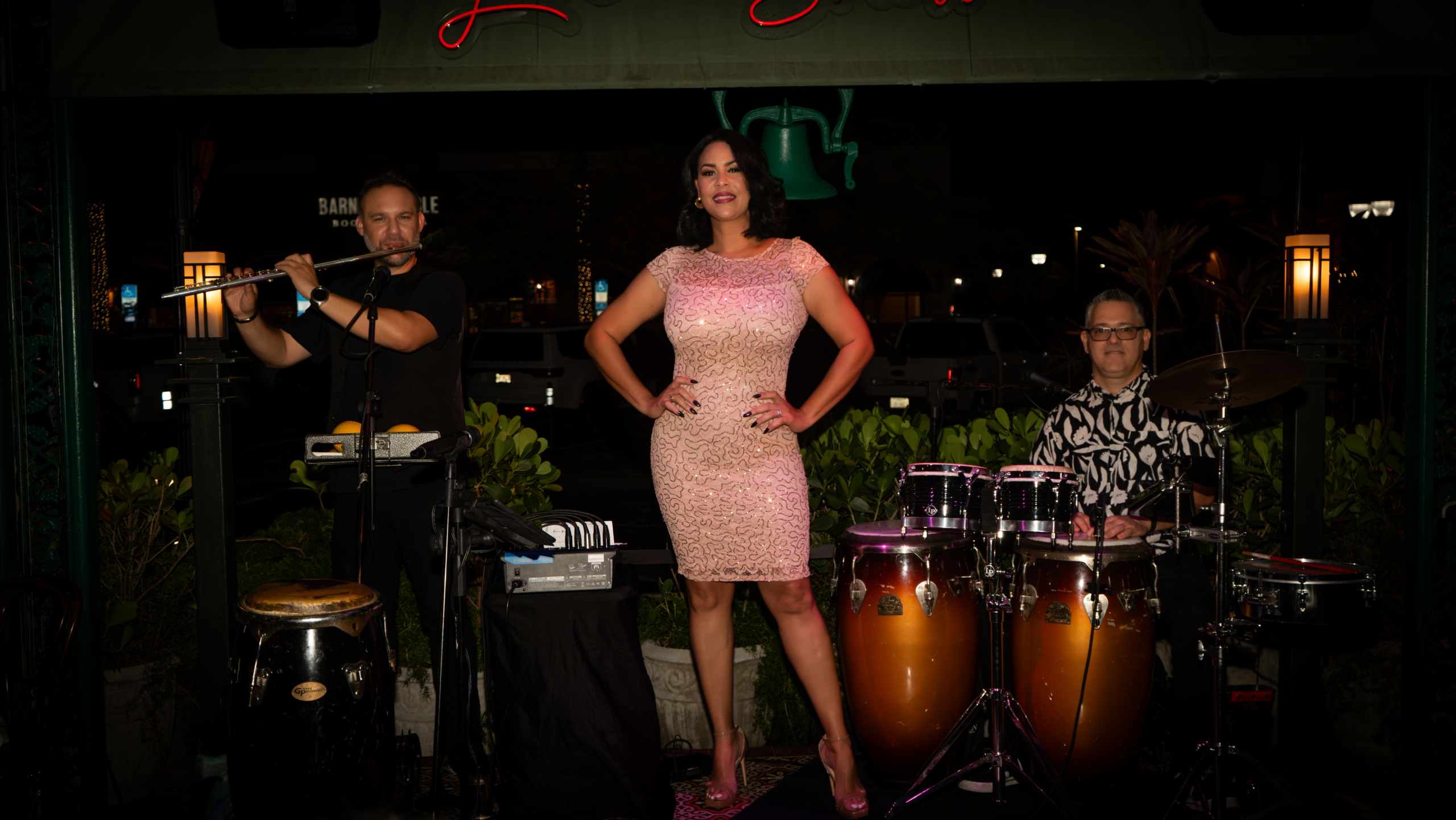
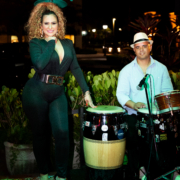
It’s the place where locals mix with visitors. Where salsa plays on Sunday evenings and yoga happens at sunset. Where a night can start with an aperitivo and end well past midnight.


Why Española Way Matters — and Always Will

At V&E, we believe the best restaurants don’t exist in a vacuum. They are part of a community, a neighborhood, a history. Española Way isn’t just an address; it’s a character, a context, a legacy.

When you sit on the terrace at Mercato della Pescheria or order a mojito at Havana 1957, you’re not just choosing what to eat. You’re choosing to be part of a street that has spent over a century being the stage where Miami Beach meets itself.

That’s the kind of place we want to be part of. And the kind of story we want to keep telling.


Visit Us on Española Way

Havana 1957 | 405 Española Way, Miami Beach
Mercato della Pescheria | 412 Española Way, Miami Beach
Paperfish Sushi Bar | 432 Española Way, Miami Beach

Oh! México  | 1440 Washington Ave, Miami Beach 

Havana 1957 Earns Editorial Recognition From U.S. Travel Publication Ever After in the Woods

The Pembroke Pines flagship restaurant, part of the V&E family of brands, is celebrated as one of South Florida’s most authentic and culturally resonant dining destinations.

V&E Hospitality Group is pleased to announce that Havana 1957, has been featured in an in-depth editorial by Ever After in the Woods, a nationally recognized U.S. travel and lifestyle publication. The piece, published on May 7, 2026, spotlights the Pembroke Pines location as a premier destination for travelers and food lovers seeking an authentic connection to Cuban culture.

The editorial coverage, available at everafterinthewoods.com, describes the restaurant as a space that “recreates a feeling people keep back for”, positioning Havana 1957 not merely as a dining establishment, but as a cultural institution within Florida’s vibrant hospitality landscape. 

A Dining Experience That Transcends the Ordinary

The Ever After in the Woods feature describes Havana´s interior as a meticulously designed space that transports guests to the golden era of 1950s Havana through vintage photography, retro artwork, warm lighting, and period-appropriate furnishings. The publication noted that “wandering around before your meal is genuinely worthwhile because there is so much visual storytelling happening throughout the restaurant.”

The review also highlights the curated menu, which they described as “a love letter to traditional Cuban cooking.” Signature dishes including ropa vieja, churrasco with black beans and rice, tostones rellenos, and fresh seafood plates were each cited for their bold flavors, generous portions, and clear commitment to culinary authenticity. 

“Havana 1957 is not trying to imitate Havana — it’s trying to bring part of it back to life. And somehow, it works.”

— Ever After in the Woods, May 7, 2026

Live Entertainment and Cultural Programming Drive Repeat Visitation

The publication emphasized that the weekend entertainment transforms the venue into a full cultural event, creating an atmosphere in which “the music creates a communal atmosphere where conversations get louder, smiles come easier, and the whole room feels connected by the rhythm and spirit of Cuban culture.” Extended weekend hours – open until 1:00 AM on Fridays and Saturdays – position the venue as an evening destination that goes well beyond a standard dining outing.


A Cultural Landmark in South Florida’s Latin Community

Havana 1957 operates from a precise historical anchor: the Cuba of 1957, one year before the revolution, at the peak of the country’s mid-century glamour. That specificity is what sets the restaurant apart from generic “Cuban food” concepts. Every design decision, every dish, every music selection is filtered through that lens. Havana 1957’s recognition in mainstream English-language travel media is a testament to how that cultural legacy continues to resonate far beyond the community that built it.

About Havana 1957 — Pembroke Pines

Havana 1957 is located at 14571 SW 5th St, Pembroke Pines, FL 33027, within the Pembroke Gardens shopping center. The restaurant operates Monday through Thursday and Sunday from 12:00 PM to 11:00 PM, and Friday through Saturday from 11:30 AM to 1:00 AM.

New Don Quijote Sculpture Debuts on Española Way


Española Way Unveils Monumental Don Quijote Sculpture in Miami Beach
A new cultural landmark celebrating heritage, creativity, and community. 

Miami Beach, FL — May 7, 2026 — The Española Way Association, in partnership with Vida & Estilo Hospitality Group, proudly announces the unveiling of a monumental Don Quijote sculpture on Tuesday, May 12, 2026, at 4:00 p.m. along the iconic Española Way in Miami Beach. 

The unveiling ceremony will welcome distinguished guests including Consul General of Spain in Miami, Ambassador Belén Alfaro; Steven Meiner, Mayor of the City of Miami Beach; and the Honorable Commissioners of the City of Miami Beach, marking a meaningful cultural moment for the city. The event is supported by the Española Way Association and the street’s restaurant community, including Havana 1957, Oh! Mexico, and Cigar Bar. 

A Monumental Tribute to Culture and Identity 

Standing at 11 feet tall and 5 feet wide, the striking Don Quijote sculpture greets visitors at the entrance of Española Way, quickly becoming a defining visual landmark. Designed with mobility in mind, the aluminum-cast piece is set on wheels, blending scale with a sense of movement and adaptability. 

Created in a local foundry by sculptor Lazaro Valdes of ASU Miami (Art & Sculpture Unlimited), the sculpture was crafted using a fusion of digital modeling, robotic carving, and traditional casting techniques. As Miami’s only bronze foundry specializing in both ceramic shell (lost wax) and sand casting, ASU brings over 14 years of expertise to this work, capturing the spirit of Don Quijote through a balance of realism and stylized detail. 

More than a visual centerpiece, the installation reflects Miami’s cultural diversity and deep Hispanic roots. Don Quijote, the visionary figure from Cervantes’ masterpiece, represents courage, idealism, and the pursuit of purpose—values that resonate throughout the Miami Beach community. 

A Legacy Reimagined on Española Way 

This unveiling marks the evolution of a concept that has long been part of Española Way’s identity. The location has served as a popular gathering point and photo destination for locals and visitors alike, and the introduction of this large-scale sculpture elevates it into a lasting landmark. 

“Don Quijote has always been a symbol of imagination, resilience, and cultural pride,” said Eduardo Araoz, co-founder & owner of VE Hospitality Group. “What began as a creative expression on Española Way has now evolved into a permanent, large-scale sculpture that honors the spirit of this community.” 

“As Española Way continues to grow, this sculpture represents more than a landmark—it reflects the spirit, history, and cultural richness that define this community,” said Scott Robins of Scott Robins Companies. “We’re proud to bring something of this scale to Miami Beach, and to create something residents and visitors can connect with.” 

An Invitation to Celebrate 

The Española Way Association and Vida & Estilo Hospitality Group invite community leaders, residents, and visitors to attend the unveiling and experience this exciting addition to Miami Beach’s cultural landscape. The event will bring together the energy of the street, local hospitality, and live entertainment—including a flamenco performance—to mark the occasion. 

As Española Way continues to evolve, the Don Quijote sculpture stands as a lasting symbol of art, heritage, and community, inviting all who pass through to pause, connect, and be inspired.
 

#

About Española Way 
Established in the early 1920s as Miami Beach’s first commercial development, Española Way was designed as a bohemian artists’ colony inspired by the charm of Mediterranean villages in Spain and France. With its pastel-toned architecture and Old-World character, the two-block pedestrian corridor has long been a cultural landmark. Following a $2.5 million revitalization completed by the City of Miami Beach in 2017, Española Way has experienced renewed energy, reaffirming its role as a destination where locals and visitors come together to dine, explore, and connect. 

Located between 14th and 15th Streets, spanning from Washington Avenue to Pennsylvania Avenue, Española Way offers a vibrant mix of culinary and retail experiences. The corridor is home to an eclectic collection of restaurants, sidewalk cafés, bars, and boutique shops, creating a lively atmosphere centered around al fresco dining and cultural discovery. Complementing this experience are two distinctive boutique hotels—Esmé Miami Beach and Kasa El Paseo—both housed within historic Mediterranean Revival buildings and offering guests an immersive stay in the heart of the district. 

Rich in history and layered with a dynamic mix of food, hospitality, and retail, Española Way continues to embody the vision of its founders, serving as a place to gather, create, and celebrate while maintaining its position as one of Miami Beach’s most distinctive cultural experiences. 
 

About VE Hospitality Group 
Vida & Estilo Hospitality Group (VE Hospitality/ VE Group), translating to “Life and Style,” has been a leader in the hospitality industry since 1996. With a diverse portfolio of restaurants offering Cuban, Mexican, Italian, American, and Japanese cuisines, VE Group is one of South Florida’s largest hospitality groups. Recognized among the top 25 most influential independent restaurant groups in America, VE Hospitality operates approximately 30 dining establishments between Miami and Las Vegas, including full-service restaurants and Cuban coffee shops. Comprising industry professionals, the group seamlessly combines traditional lifestyle, and nightlife concepts to create unique and memorable dining experiences. With a proven track record of success, Vida & Estilo Hospitality Group stands as a beacon of innovation and excellence in the U.S. hospitality landscape. 

Media Contact: 
Elba Machado – Chief Communications Officer, Growth & Government Relations 
emachado@vehospitality.com 

###